
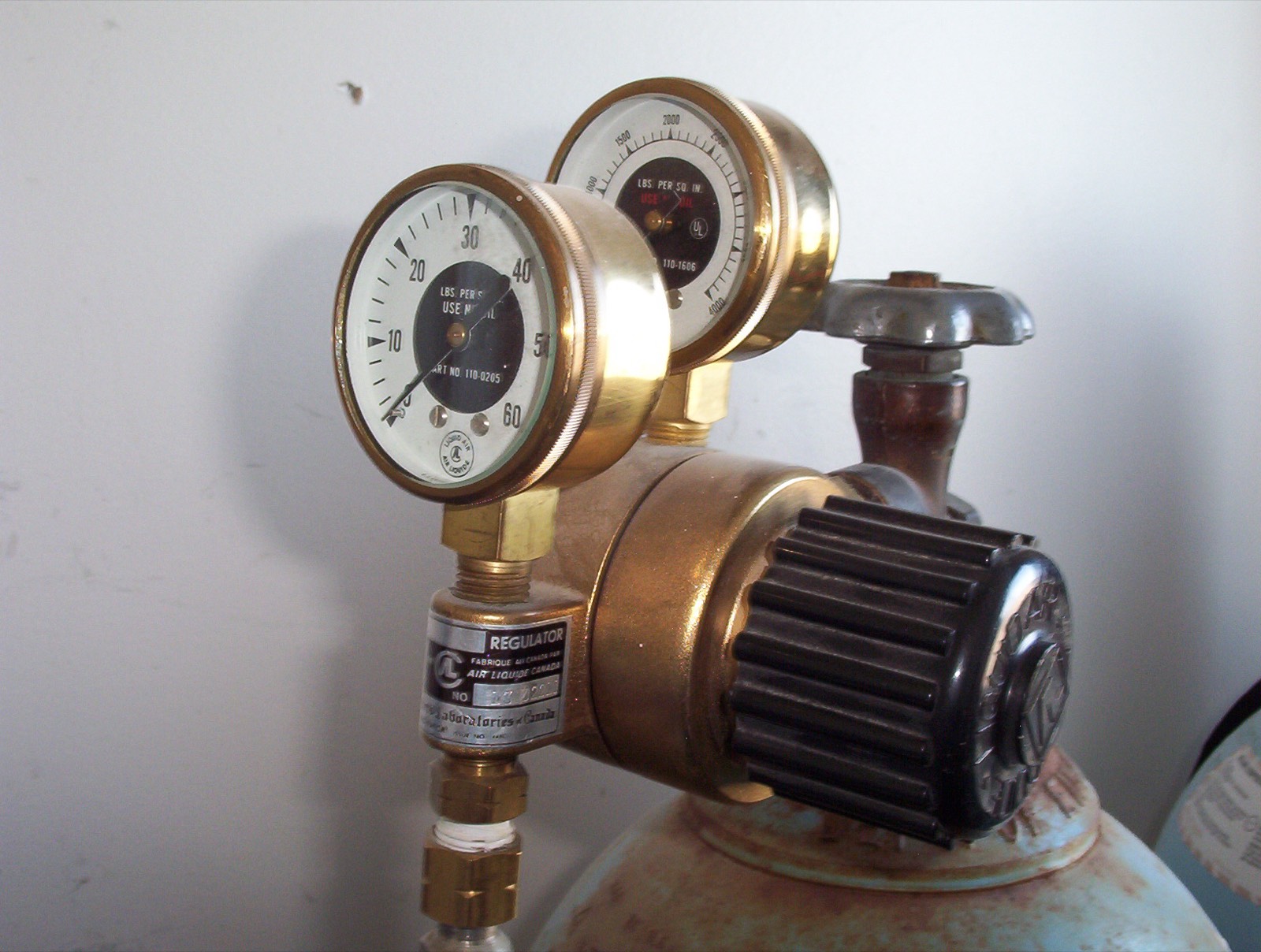
Ask most people what determines water pressure at a tap and they will say "the pipe size." That is part of it, but it is not the calculation. Residual pressure at any point in a network is the result of three things working against each other: the pressure available at the source, the elevation change between the source and that point, and the friction losses accumulated along the route.
The three components of a pressure calculation
Source pressure. This is the starting point: the pressure at the reservoir, tank or pump discharge that feeds the network.
Elevation head. For every metre of elevation gain between the source and the point in question, pressure drops by roughly 0.1 bar. A connection point sitting 30 metres higher than its source loses about 3 bar before a single litre has flowed.
Friction losses. As water moves through a pipe, friction against the pipe wall consumes pressure. This loss is not linear with pipe size: it is highly sensitive to diameter, increases with pipe roughness and length, and rises sharply as flow velocity increases. This is why two networks with identical elevation profiles can perform completely differently depending on how the pipes were sized.
Where designs commonly go wrong
The most common failure we see is a network sized against average demand rather than peak demand. A pipe that performs fine most of the day can fall well short of the required residual pressure during a peak draw period or a fire-flow event, because friction losses increase disproportionately as flow velocity rises.
The second common issue is relying on a single static pressure reading from site as evidence a network is adequately sized. Static pressure tells you about elevation difference only, with no water flowing. It says nothing about how the network behaves once real demand is placed on it, which is the condition that actually matters for design sign-off.
Why this needs to be modeled, not estimated
Because friction loss compounds with distance, elevation, and velocity simultaneously, a full hydraulic model, not a rule-of-thumb sizing table, is the only reliable way to confirm that every point in a network will receive adequate pressure under real operating conditions. This is the calculation work we run as part of every water supply system design project, and it is also available as a standalone hydraulic calculation if you need to verify an existing design or diagnose a pressure complaint.